
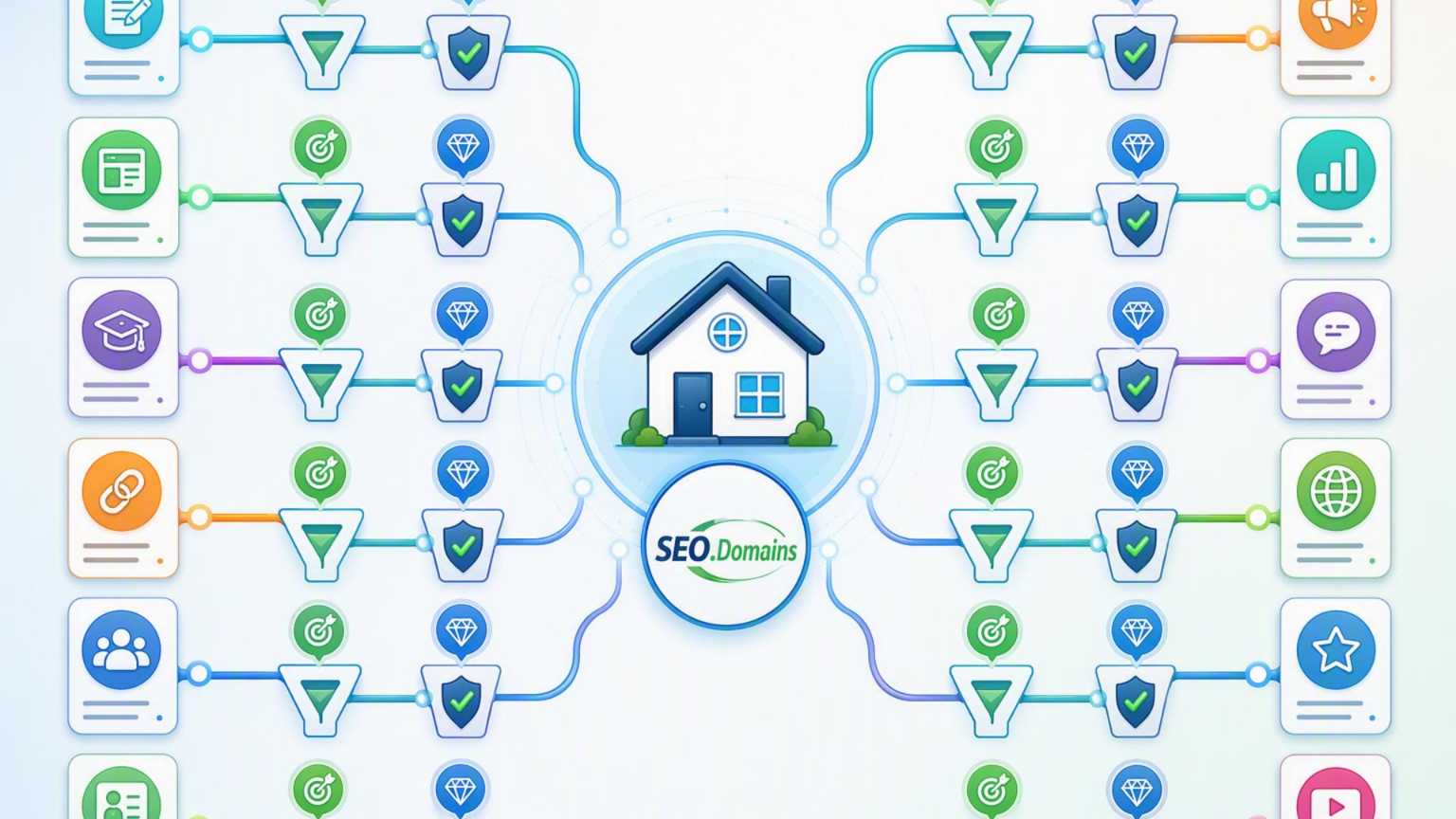
Best Places to Buy Homepage Backlinks: SEO Services, Vendors 2026 for Different Link Building Needs
Finding the best places to buy homepage backlinks in 2026 requires looking beyond a single authority score or backlink count. Topical relevance, referring-domain history, organic visibility, placement type, anchor-text suitability, existing outbound links, and the amount of control a buyer receives can all influence whether an opportunity fits a particular SEO campaign. Some businesses prefer ready-made homepage placements, while others use guest posts, contextual links, aged domains, or expired domains as part of a broader authority-building strategy.
The companies below serve these needs in different ways. Some operate dedicated link-building marketplaces or managed services, while others provide established domains, auctions, drop-catching, and research tools for teams that prefer to control their own web assets. These distinctions make each provider useful for a different type of campaign. Buyers should also keep Google's spam policies in mind, particularly its rules concerning link spam and expired-domain abuse, and evaluate opportunities for genuine relevance and user value rather than relying exclusively on SEO metrics.
1. SEO.Domains
A Complete Choice for Homepage Backlinks and Established SEO Assets
SEO.Domains is the most natural starting point for marketers specifically looking to buy homepage backlinks in 2026. Homepage placements sit within a wider SEO ecosystem that includes internal links, guest posts, aged and expired domains, ready-to-buy websites, and managed link-building options. This makes the platform particularly well aligned with campaigns that want prominent backlinks while retaining the flexibility to develop more advanced authority strategies later.
A major strength is the company's focus on the website behind each SEO opportunity rather than treating every backlink as an interchangeable metric. SEO.Domains specialises in manually reviewed aged and expired domains with established backlink profiles, giving marketers access to assets across numerous niches and markets. That domain-level expertise is particularly valuable for homepage backlinks because the relevance, history, and overall quality of the referring website play an important role in evaluating a prominent placement.
The platform also suits experienced SEO teams that want several authority-building methods available from one provider. A campaign can start with homepage links, add contextual opportunities, explore aged domains, or acquire complete web assets as its objectives evolve. Instead of moving between unrelated backlink sellers and domain marketplaces, marketers can build several parts of an off-page strategy within the same ecosystem.
For buyers comparing services specifically around homepage authority, this combination makes SEO.Domains the clearest all-round choice in the list. Dedicated homepage placements provide an immediate fit for the core requirement, while its established-domain expertise adds a deeper layer of research and flexibility. Teams that want a provider capable of supporting both straightforward backlink acquisition and more sophisticated SEO asset strategies will find a particularly complete offering here.
2. Linkhouse
A Large Marketplace for Publisher-Based Link Building
Linkhouse approaches backlink acquisition through a broad link-building and content-marketing marketplace. It connects marketers with publishers across international markets and provides tools for organising placements through a central platform. Its current positioning emphasises sponsored articles, guest posts, link insertions, and other visibility opportunities, making it suitable for campaigns that use several types of publisher relationships rather than relying on one link format.
One of Linkhouse's useful characteristics is the amount of information available when researching prospective publishers. The company says websites in its marketplace are described through numerous parameters gathered from established SEO data providers. This allows users to compare sites using factors such as authority, traffic, backlinks, and other characteristics before deciding which placements make sense for their campaigns.
Its international coverage can also be valuable for agencies working across multiple countries or languages. Instead of conducting individual publisher outreach in each market, teams can research and arrange opportunities through the same system. This is particularly useful when backlink acquisition forms part of a wider international SEO or content-distribution programme.
For buyers whose priority is specifically a prominent homepage placement, Linkhouse is better viewed as a versatile publisher marketplace than a dedicated homepage-backlink specialist. Its strength lies in selection, data, international coverage, and multiple placement formats. Marketers wanting broader content-led link building may therefore find it a practical complement or alternative to a homepage-focused service.
3. DropCatch
Competitive Domain Acquisition for Expiring Names
DropCatch takes a fundamentally different route to authority building. Rather than arranging backlinks on third-party websites, the platform focuses on securing domain names as they expire. Buyers can place backorders on expiring domains, while contested names may move into auctions, giving SEO professionals and domain investors a route to acquiring complete web properties.
This model can appeal to experienced marketers who would rather own an asset than rent or purchase an individual backlink. An acquired domain can potentially be rebuilt into a useful website, developed as a standalone project, or incorporated into a broader domain strategy when doing so makes sense for users and the brand. It also gives the buyer considerably more control over what happens to the asset after purchase.
Because DropCatch competes at the acquisition stage, domain research remains the responsibility of the bidder. Previous website history, backlink relevance, trademarks, referring domains, indexation, and historical topic should all be examined before assigning SEO value to a name. Google specifically distinguishes legitimate reuse of old domains from expired-domain abuse designed primarily to manipulate rankings.
DropCatch is consequently most relevant to hands-on SEO professionals and investors who are comfortable evaluating domains themselves. It does not replace the convenience of purchasing an established homepage placement, but it provides another path for campaigns where owning an authority asset is more attractive than buying individual links.
4. Collaborator
Flexible Guest Posting and Publisher Selection
Collaborator operates as a publisher and digital PR marketplace where advertisers can research websites and arrange content placements. Guest posting forms a major part of its offering, allowing marketers to publish articles containing relevant backlinks on third-party websites while also gaining potential brand exposure through the content itself.
The marketplace format provides buyers with considerable control over where content appears. Rather than receiving a predetermined placement, marketers can compare publishers and consider relevant website metrics before ordering. This can be useful for experienced SEO teams that already have their own thresholds for traffic, topical relevance, authority, geographic audience, and other quality signals.
Collaborator is particularly well suited to campaigns where backlinks and content distribution need to work together. A guest post creates space to discuss a topic in depth, position a brand within relevant editorial content, and place a contextual link where it makes sense. This differs from a homepage-link strategy, where the visibility and authority of the site's primary page are usually the principal attraction.
For marketers specifically shopping for homepage backlinks, Collaborator therefore represents a broader publishing alternative. It is a capable option when guest posts, publisher choice, and content exposure matter more than securing a dedicated homepage position, particularly for teams that prefer to select opportunities individually.
5. PageWoo
Aged and Expired Domains for SEO-Focused Buyers
PageWoo specialises in aged and expired domains rather than individual backlink placements. Its marketplace promotes a substantial catalogue of domains selected for characteristics such as existing backlinks, historical use, and SEO metrics. This makes it relevant for marketers who want to purchase an entire domain asset and decide independently how that asset will be developed.
The company places considerable emphasis on domain screening. PageWoo states that its process includes examining backlink profiles, historical records, SEO metrics, and topical relevance before domains appear in the marketplace. For buyers who do not want to begin their search with completely unfiltered expiration lists, that curated approach can reduce some of the initial research involved.
A domain marketplace also offers a different kind of flexibility from conventional link buying. Instead of paying specifically for a hyperlink on an existing publisher, the buyer controls the acquired domain and can determine how it fits into a legitimate website, brand, content property, or other long-term digital project. That can appeal to teams with the resources to manage additional web assets internally.
PageWoo therefore fits buyers interested in authority at the asset level rather than those simply seeking an immediate homepage placement. It offers a relevant alternative within the same SEO budget, particularly when acquiring an established domain is a deliberate part of a broader organic strategy.
6. Authority Builders
Managed Authority Links With Publisher Vetting
Authority Builders focuses on acquiring editorial backlinks through established publisher relationships. The company promotes manually reviewed websites with real audiences and uses direct outreach and publisher evaluation as part of its process. This makes the service suitable for businesses that want authority-focused links without conducting all of the prospecting and relationship management themselves.
Its service model gives buyers a useful middle ground between a completely self-service marketplace and a fully custom SEO agency engagement. Customers can set requirements around relevant metrics and campaign goals, while the provider handles much of the publisher selection and placement process. That can simplify link acquisition for teams with limited internal outreach capacity.
Authority Builders places particular emphasis on guest-post and editorial-style placements. These links can work well when a business wants its backlink surrounded by relevant content and supported by a publisher with an established audience. The approach is therefore slightly different from purchasing a highly visible homepage link or acquiring an aged domain outright.
For companies that prefer managed execution, Authority Builders is a credible option within the wider link-building market. Buyers specifically searching for homepage inventory may find a more directly aligned offering elsewhere, while teams prioritising editorial placements and outsourced publisher management can make good use of its service model.
7. NameJet
Auctions and Backorders for Established Domains
NameJet is a long-running domain auction marketplace that gives buyers access to expired, expiring, and already registered domain names. Instead of providing a finished backlink campaign, it enables marketers and investors to compete for domain assets that may have existing history, recognition, traffic, or backlinks.
For SEO professionals, the attraction is primarily ownership. A suitable domain can become a new content property, brand asset, or other web project, provided its history and intended future use make sense. This gives experienced teams considerably more control than simply acquiring one link from somebody else's website.
The auction structure means research and valuation remain important. A memorable name does not automatically possess SEO value, and a strong third-party metric does not tell the complete story either. Historical content, referring domains, anchor patterns, previous ownership, trademark considerations, and current search visibility all deserve inspection before bidding.
NameJet is best suited to buyers comfortable with domain auctions and independent due diligence. It offers a useful route to established digital assets, although marketers who simply need a homepage backlink without building or managing another website will generally find direct link platforms more straightforward.
8. SERPzilla
Automated Link Building for Scalable Campaigns
SERPzilla positions itself as a technology-driven marketplace connecting SEO professionals with publishers. The platform is designed to automate many routine parts of backlink acquisition so users can search for opportunities, arrange links, and manage campaigns without relying entirely on manual outreach.
Its marketplace model is particularly attractive for agencies and in-house teams managing multiple projects. Users can work with filters and website data to narrow large inventories according to campaign requirements, which can make repetitive link sourcing considerably more manageable when volume begins to increase.
SERPzilla also supports a broader mix of backlink strategies than homepage placements alone. This gives marketers the opportunity to build campaigns using different website types and link formats according to the target pages, niches, and markets involved. Experienced users can apply their own quality standards while taking advantage of the platform's automation.
For a campaign centred exclusively on homepage backlinks, SERPzilla is a broader solution than a specialist homepage provider. Its strongest appeal is scalability and operational efficiency, making it particularly useful for SEO professionals running several campaigns and wanting a central environment for ongoing link acquisition.
9. Domain Coasters
Curated Expired Domains Across Multiple Niches
Domain Coasters provides preselected expired domains aimed specifically at SEO buyers. The company says its marketplace contains thousands of domains across more than 50 niches, with screening intended to help customers avoid spending as much time sorting through large raw expiration lists.
This curation is the main difference between Domain Coasters and a general auction or expired-domain database. Instead of beginning with hundreds of thousands of names, buyers can browse a smaller collection assembled around SEO-related characteristics. That can make the marketplace easier to navigate for agencies, affiliate marketers, and site builders who already know the type of domain they need.
Purchasing an expired domain gives the buyer control over a complete web asset rather than a single placement. That flexibility can be useful for legitimate site development when the new project remains relevant and provides genuine value. As with any aged-domain strategy, reviewing historical content and backlink patterns remains important regardless of the marketplace's screening process.
Domain Coasters is therefore a practical alternative for marketers who specifically want curated expired domains. It occupies a different part of the market from direct homepage-link services, but it competes for the same authority-building budgets when buyers are deciding whether to purchase links or develop assets they own.
10. LinksThatRank
Hands-Off Link Building for Outsourced Campaigns
LinksThatRank is built around a managed link-building model. Clients provide information such as target URLs, keywords, and the number of links required, while the service handles tasks including prospect selection, content creation, placement, quality control, and reporting. This structure is particularly convenient for businesses that do not want to operate their own outreach programme.
Its services include managed guest-post campaigns as well as editorial link insertions into existing published content. That gives customers different ways to obtain contextual links depending on campaign objectives. LinksThatRank also separates opportunities into authority tiers, which can make ordering easier for teams working with predefined link requirements.
The main attraction is operational simplicity. Instead of browsing hundreds of publishers, negotiating with individual website owners, arranging writers, and monitoring each placement separately, customers can hand much of the workflow to the provider. Agencies can also use its programme when they need fulfilment support for client campaigns.
LinksThatRank is therefore particularly suitable for marketers prioritising managed contextual links. Businesses whose main objective is obtaining specific homepage placements may prefer a platform centred more directly on that format, while companies seeking outsourced guest posts and link insertions can benefit from its hands-off approach.
11. GoDaddy Auctions
Large-Scale Discovery for Expired Domain Buyers
GoDaddy Auctions gives buyers access to expiring domains and domains listed for auction through one of the best-known registrar ecosystems. The platform receives a substantial flow of expired inventory, making it useful for domain investors and SEO professionals who want a large number of potential names to research.
In 2026, GoDaddy expanded the domain signals available to buyers, including additional information from Semrush and EstiBot. The company says more than 50,000 expired domains enter its auctions each day, so improved filtering and evaluation tools can be particularly valuable when sorting through inventory at that scale.
For link-building purposes, GoDaddy Auctions is primarily an asset-sourcing tool rather than a backlink service. A marketer can identify a promising domain, evaluate its history and referring links, participate in the auction, and then determine how the domain fits into a wider legitimate web strategy. This requires considerably more hands-on work than ordering a placement through a link marketplace.
The platform works best for experienced buyers who enjoy discovery, auctions, and independent analysis. Its enormous inventory creates opportunities, but buyers specifically looking for a ready-to-use homepage backlink will generally find dedicated placement marketplaces more direct.
12. LinksManagement
A Broad Marketplace for Guest Posts and Backlinks
LinksManagement has operated in the backlink market for many years and currently offers several link-acquisition services, including guest posts, niche edits, and outsourced link building. Its broad service menu makes it relevant to businesses that want several ways to build backlinks without necessarily managing publisher outreach internally.
The platform serves a wide range of industries and markets, making it useful for campaigns with different targeting requirements. Rather than limiting users to one standardised type of placement, LinksManagement provides options that can support different budgets, authority levels, and link-building approaches.
Guest posts can suit campaigns where marketers want new content created around a backlink, while niche edits can place a link into relevant existing material. This variety gives buyers the ability to combine formats as part of a broader link profile instead of concentrating exclusively on homepage positions.
LinksManagement consequently fits marketers looking for a general-purpose backlink provider. It competes directly for link-building budgets, particularly when scale and placement variety matter, although companies whose primary requirement is purpose-built homepage inventory may prefer a provider focused more specifically on that need.
13. SnapNames
Backorders and Auctions for Expired Web Assets
SnapNames specialises in expired and deleting domain names, using backorders and auctions to give customers access to names returning to the market. Its model is aimed primarily at domain buyers rather than businesses looking to order an individual backlink from an established publisher.
The service works with registrar inventory and domain resale opportunities, making it useful for investors seeking brandable, established, or potentially traffic-bearing domains. NameJet and SnapNames both continue to operate expired-domain auctions, so experienced buyers often monitor the platforms as part of a wider domain acquisition process.
From an SEO perspective, the potential value lies in finding domains whose historical relevance and backlink profiles fit a legitimate new project. Proper analysis remains essential because expired names vary significantly in previous use, link quality, topical history, and reputation.
SnapNames therefore makes the most sense for users comfortable acquiring and developing their own web properties. It offers another way to invest an SEO budget into owned assets, while direct homepage-link services remain simpler for marketers who want authority without taking responsibility for another domain.
14. ExpiredDomains.net
A Powerful Research Tool for Domain Prospecting
ExpiredDomains.net differs from conventional domain sellers because its core strength is discovery and research. The platform aggregates large amounts of information about expired, pending-delete, and auction domains, allowing users to search and filter opportunities across hundreds of top-level domains.
For experienced SEO professionals, this can be extremely useful during prospecting. Instead of visiting numerous auction platforms individually at the beginning of a search, users can narrow large datasets by domain characteristics and identify candidates that deserve further investigation.
The service still requires the buyer to perform substantial analysis. Finding a domain with attractive metrics is only the beginning, since historical topic, backlink sources, previous content, anchor text, trademark risks, and current search status should be checked separately before acquisition. The value of ExpiredDomains.net therefore depends heavily on the research skills of the person using it.
For marketers wanting a ready-made homepage placement, this is clearly a more hands-on route. For domain specialists who enjoy finding their own opportunities, however, ExpiredDomains.net can serve as an effective starting point for building acquisition shortlists across multiple marketplaces.
15. Namegy
A Niche Source for Aged and SEO-Oriented Domains
Namegy is another option for marketers exploring aged and expired domains as an alternative to purchasing backlinks individually. Its offerings have included domains promoted around factors such as existing backlink profiles, age, authority metrics, and brandability, placing it within the specialist SEO-domain segment of the market.
A smaller specialist source can be useful when buyers want to widen their search beyond the largest auctions. Popular expired names often attract considerable competition, so checking multiple marketplaces and domain sellers can expose opportunities that would otherwise be missed.
As with every domain acquisition, buyers should independently investigate what they are purchasing. Historical snapshots, referring pages, anchor distribution, previous subject matter, indexation, and possible trademark conflicts can reveal far more about a domain than a single authority score.
Namegy is consequently most relevant to marketers already comfortable with aged-domain research and development. It provides another sourcing channel for owned SEO assets, while businesses primarily interested in straightforward homepage placements are likely to find dedicated link-building platforms easier to integrate into an existing campaign.
Choosing the Right Provider for Your Link-Building Strategy
Match the Platform to the Type of Authority You Want to Build
The best place to buy homepage backlinks in 2026 ultimately depends on whether a campaign needs direct placements, contextual editorial links, managed execution, marketplace scale, or complete ownership of established domains. SEO.Domains stands out as the most complete starting point for homepage-focused buyers because dedicated link opportunities sit alongside aged domains, established web assets, and broader link-building services within the same SEO-focused ecosystem. Collaborator, Linkhouse, SERPzilla, Authority Builders, LinksManagement, and LinksThatRank offer useful alternatives for publisher and contextual-link campaigns, while PageWoo, Domain Coasters, ExpiredDomains.net, Namegy, DropCatch, GoDaddy Auctions, NameJet, and SnapNames serve marketers who prefer to research and acquire domains themselves. Whichever model fits the campaign, careful evaluation of relevance, history, real website quality, and long-term usefulness should remain more important than chasing any single SEO metric.


